Why retention is the part people get wrong
Most of the relapse we see was avoidable. A practical guide to keeping the result you paid for.
The most common case we see is not a new one. It is someone who had braces as a teenager, stopped wearing the retainer, and watched their teeth drift back over a decade.
Why teeth move back
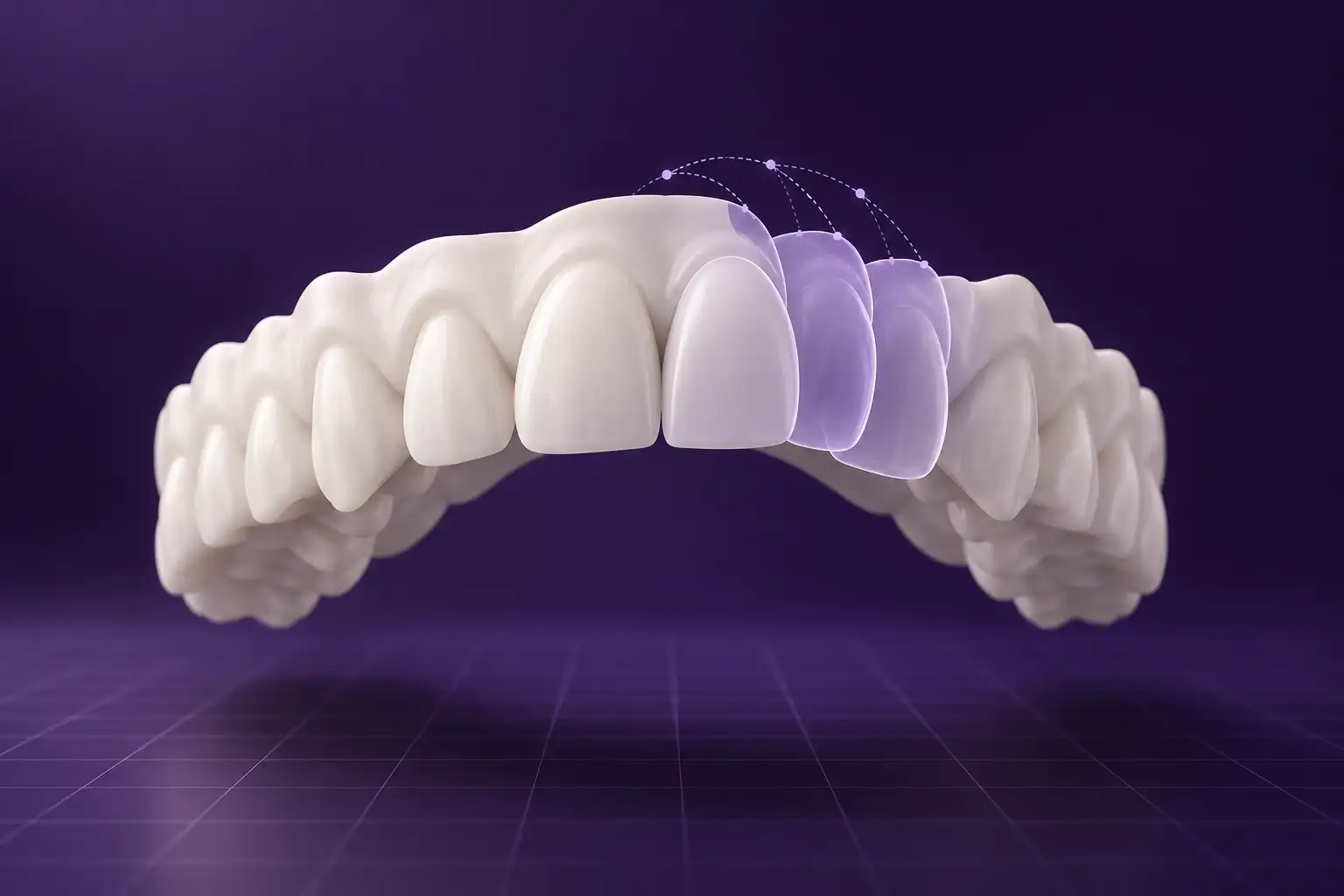
Teeth sit in bone, held by a ligament. When you move them, that ligament stretches and the bone remodels around the new position. Remodelling takes months — far longer than the movement itself. Until it finishes, the ligament pulls the tooth toward where it used to be.
Teeth also drift throughout life regardless of treatment. Retention is not a correction for something that went wrong; it is a permanent part of having straight teeth.
How long you actually need them
Full-time for the first three to six months after treatment, then nights indefinitely. Not for a year. Indefinitely.
Nightly wear is a small habit for a result you spent months achieving.
Looking after them
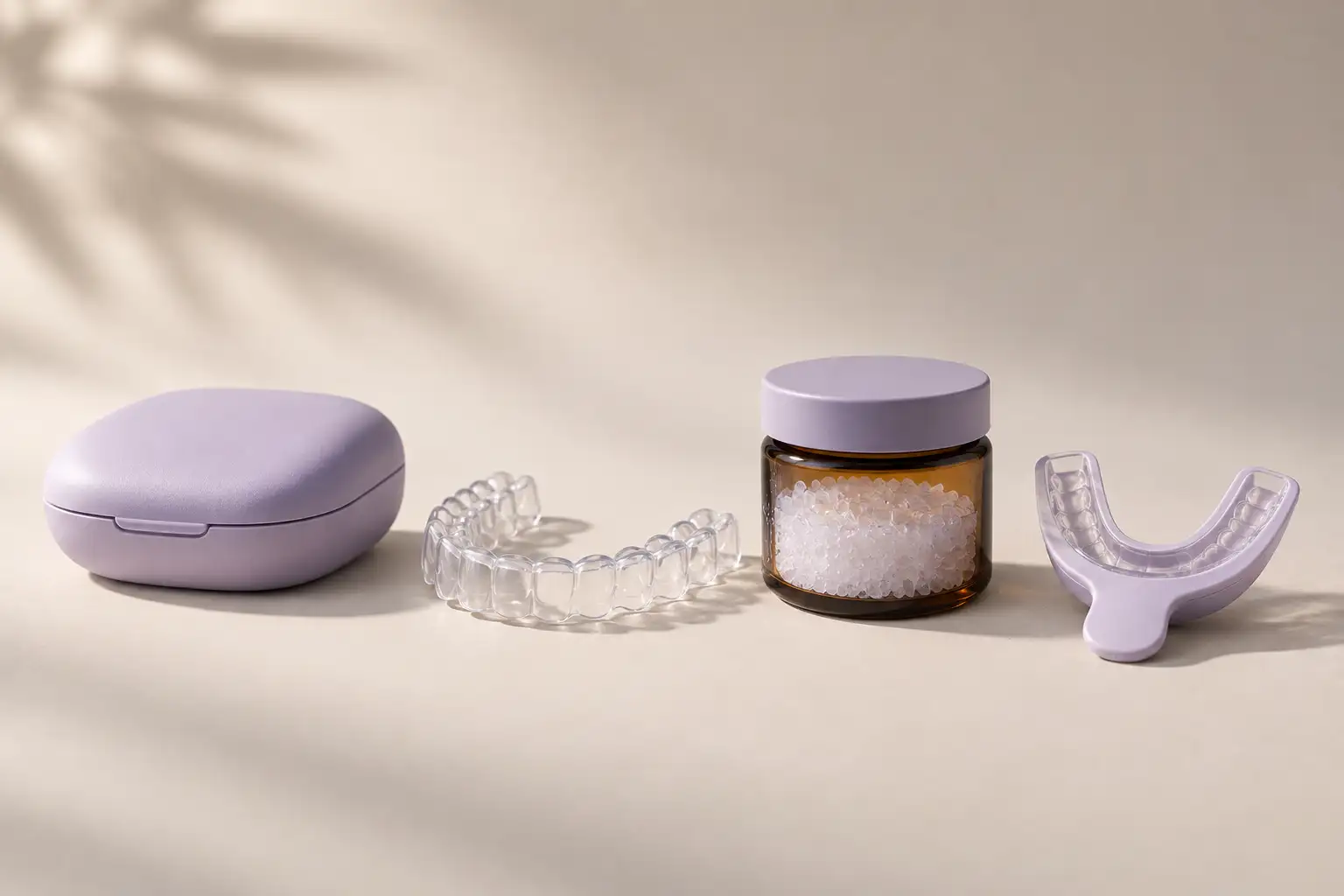
Rinse in cool water after every wear. Clean weekly with a proper retainer solution, not toothpaste. Keep them away from heat — a car dashboard will warp a retainer in an afternoon, and a warped retainer does not fit.
Replace them when they crack or stop fitting snugly. A retainer that has gone loose is not retaining anything.
If you have already relapsed
It is usually straightforward. Relapse cases are often short — a few months rather than a full course — because the teeth are returning to a position the bone still partly remembers. Start with an assessment.
Wondering if this applies to you?
Book a free consultation and we’ll take a look.